


Under the Emerald Roof: Healing Lessons from the Treetops
When you are feeling completely overwhelmed by life, where do your eyes usually go? Most of the time, they look down—at a buzzing smartphone screen, a mountain of paperwork, or the pavement beneath your rushing feet. Our focus is pulled downward, keeping our minds heavy and our horizons narrow.
But if you want to instantly change your mental state, you don’t need a complicated strategy. You just need to walk into a forest, step off the main trail, and change your gaze.
Look straight up.
Above the tree trunks, high above the forest floor, lies an entirely different world. It is an ocean of shifting green, a dancing roof of leaves and branches that constantly catches the breeze. If you stand still and listen closely, you will hear the whispers from the canopy.
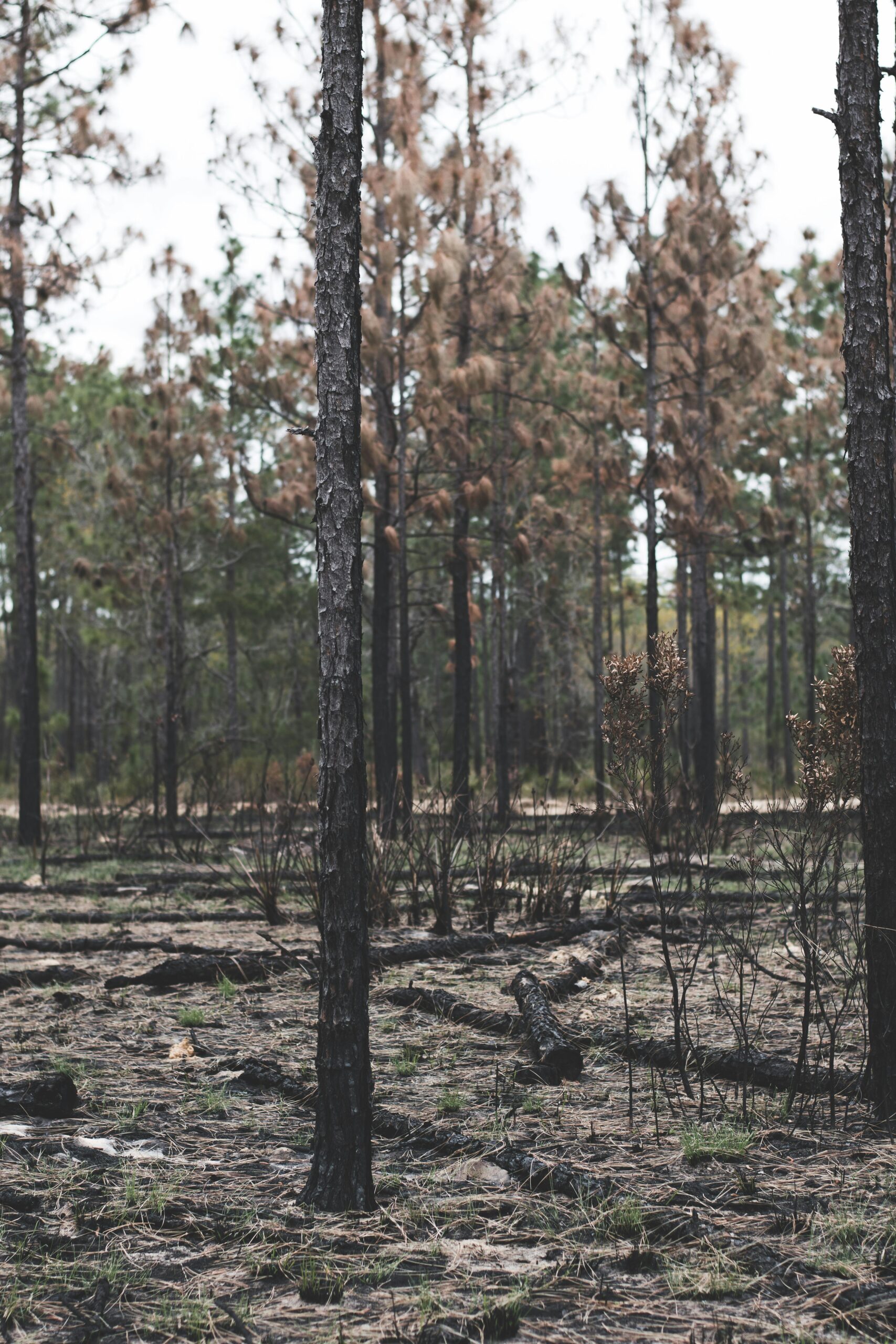
The Gentle Rhythm of the Treetops
The canopy is where the forest meets the sky. It bears the brunt of the weather—it takes the force of the heavy rains, absorbs the scorching afternoon sun, and catches the wildest winds. Yet, when you look at it from below, it rarely looks chaotic. Instead, it moves with an exquisite, fluid grace.
As the wind rushes through the treetops, the leaves create a gentle, rhythmic hum. Scientists and acoustic ecologists have a beautiful word for this sound: Psithurism—the ancient, distinctive sound of wind rustling through leaves.
Unlike the sharp, unpredictable noises of the modern city (like car horns, sirens, or ringtones), psithurism is an organic, white-noise soundtrack. It requires nothing from us. It doesn’t demand our attention or ask for a reply. It simply invites our nervous system to relax, matching our racing heartbeat to the slower, ancient rhythm of the wild.
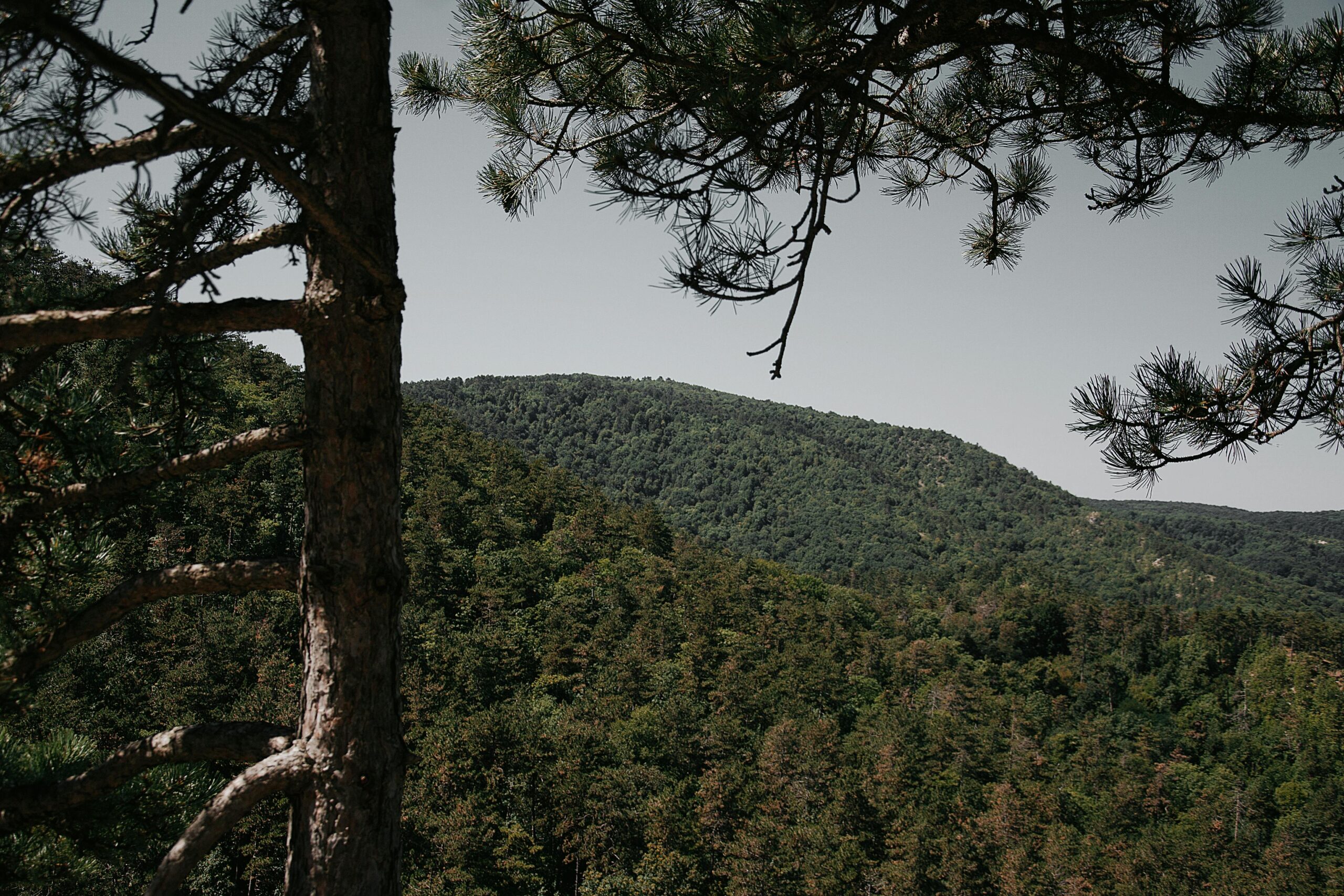
The Invisible Peace of “Crown Shyness”
If you look up at certain types of forests—like groups of eucalyptus, oak, or pine trees—you will notice a fascinating scientific phenomenon. The uppermost branches of neighboring trees rarely touch each other. Instead, they grow right up to the edge of one another, leaving perfectly winding, distinct gaps of open sky between them.
Biologists call this “Crown Shyness.”
While scientists believe it helps trees avoid rubbing against each other or sharing harmful pests, it holds a beautiful metaphorical lesson for us, too. The canopy whispers a secret about boundaries. Even in a dense, deeply interconnected community, every living thing needs its own space to breathe, catch the light, and grow. True connection doesn’t require losing your individuality or crowding your neighbors.
Three Secrets the Canopy Tells Us About Living
If you sit beneath the trees and let the whispers from the canopy wash over you, here is what they are trying to teach you:
1. Shift Your Perspective
When your world feels small, stressful, and confined, looking up instantly opens your chest. It reminds you that there is a massive, beautiful universe operating completely independent of your deadlines and daily worries.
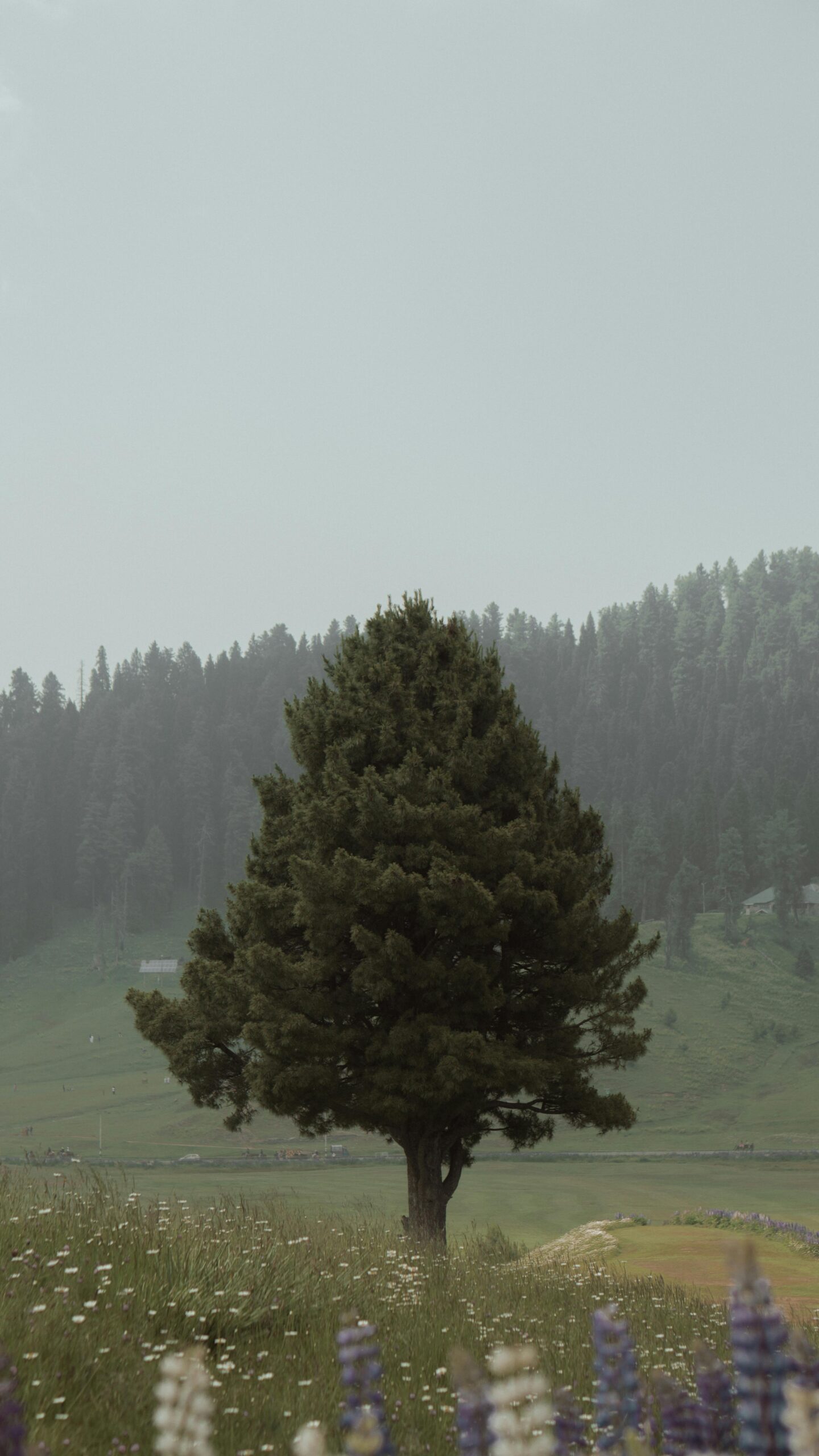
2. Stand Tall, But Stay Flexible
The highest branches of a tree survive massive storms because they aren’t completely rigid. They bend, sway, and flex with the wind, allowing the energy to pass through them without snapping. The canopy reminds us that adaptability is our greatest strength when facing life’s storms.
3. Filters Make Everything Better
The canopy doesn’t block out the sun entirely; it filters it, turning harsh, blinding heat into soft, dancing beams of golden light. In the same way, we must learn to filter the information, media, and energy we allow into our lives, protecting our inner peace.
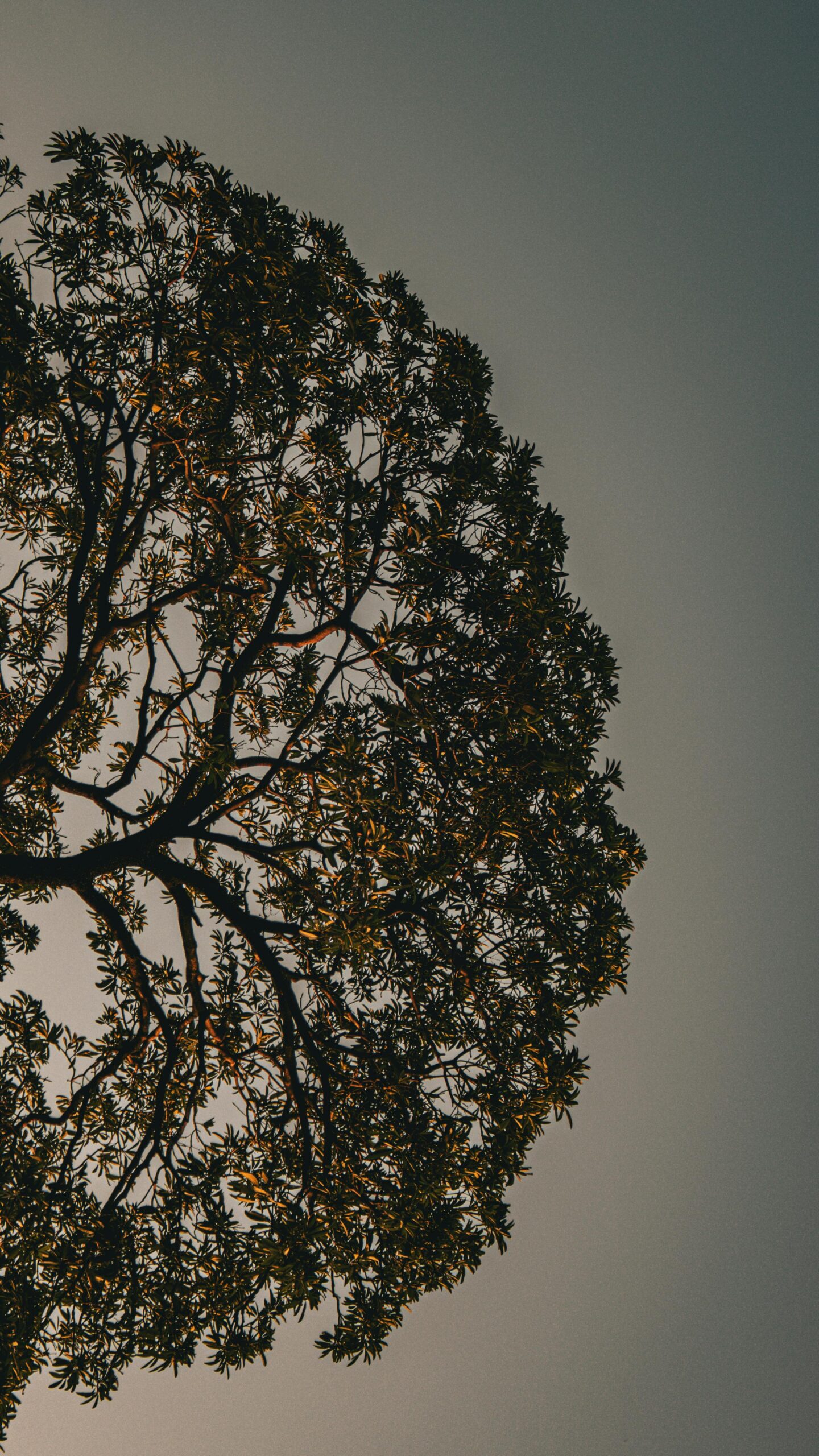
Conclusion: Look Up and Breathe
The next time the noise of the world gets too loud, remember that a peaceful, green sanctuary is waiting for you. Find a patch of woods, lie back on the grass, or sit against a sturdy trunk.
Turn off your notifications, tilt your head back, and look up. Let the whispers from the canopy clear the fog from your mind and remind you of the simple joy of just being alive